Pharmaceutical Standards
Our equipment supports compliance with pharmaceutical industry requirements:
- ASME BPE – Bioprocessing Equipment Standard
- FDA 21 CFR Part 211 – cGMP Requirements
- EU GMP Annex 1 – Sterile Manufacturing
- ISPE Baseline Guides – Pharmaceutical Engineering
- ASME B31.3 – Process Piping
Surface Finish Considerations
Pharmaceutical piping requires specific surface finishes:
| Application | Interior Ra | Electropolish |
|---|---|---|
| WFI | 15-20 Ra | Recommended |
| Clean Steam | 25 Ra | Optional |
| Product Contact | 20-25 Ra | Application dependent |
| Utilities | 32 Ra | Not required |
Our cold cutting produces surface finishes that minimize additional polishing requirements.
Documentation Package
cGMP compliance requires comprehensive documentation:
- Material test certificates (MTR) for cutting tools
- Calibration records for machine accuracy
- Weld procedure support documentation
- Quality control inspection records
- Cleaning and passivation procedures
What Pharma Contractors Actually Need to Know
The Orbital Welding Prep Reality
If you’re doing orbital welding (and you probably are, for anything product-contact), tube end prep isn’t optional—it’s fundamental.
What we see go wrong: Shops that underestimate tube prep and try to make orbital weld heads compensate for poor fit-up. The weld head follows a program. It doesn’t see that your tube ends aren’t square or that the gap varies around the circumference.
The fix is simple but not glamorous: Face every tube end. A tube facing machine pays for itself quickly when you stop rejecting welds due to undercut on one side.
When Our Equipment Is Overkill
We’ll be direct: not everything in a pharma facility needs precision machining.
Utility water and plant steam (non-product-contact): Standard carbon steel or stainless piping that doesn’t contact product. You can prep these with conventional methods. Save the precision equipment for where it matters.
Black utilities: Compressed air, nitrogen supply lines, HVAC piping. These don’t need Ra 20 finish. Don’t over-specify.
Small tubing (<1/2” OD): Very small tube is often purchased as cut-to-length with faced ends. If your supplier provides prepped tubing, you may not need prep equipment at all.
Where We See Real Value
WFI and Clean Steam: Yes, these genuinely require excellent prep. The combination of corrosion-resistant alloys, high purity requirements, and orbital welding means you need consistent, contamination-free tube ends.
Product transfer and CIP/SIP lines: Where product flows, quality matters. Invest in proper prep.
High-volume production: If you’re building the same system repeatedly, the time saved with machine prep vs hand finishing adds up quickly.
The Surface Finish Question
Pharma engineers often over-specify surface finish. We’ve seen projects spec Ra 15 for everything when the actual requirement analysis would show Ra 25 is fine for most of the system.
Our honest take: Cutting produces a certain finish. Achieving Ra 15 reliably on cut surfaces often requires electropolishing afterward anyway. If you truly need Ra 15, plan for post-weld EP, and don’t expect cutting alone to get you there on every joint.
What cold cutting provides: Clean, consistent, contamination-free surfaces that electropolish well. No thermal discoloration, no embedded particles.
Documentation Reality Check
We can provide extensive documentation. But let’s be clear about what matters for your validation:
What matters to your QA: Consistent, documented processes. Your weld procedures, your operator qualifications, your inspection records.
What our documentation supports: Equipment calibration, material traceability for tooling, machine accuracy specifications.
We don’t validate your system—you do. We provide the tools and documentation to support your validation program.
Our Recommendations for Pharma/Biotech
-
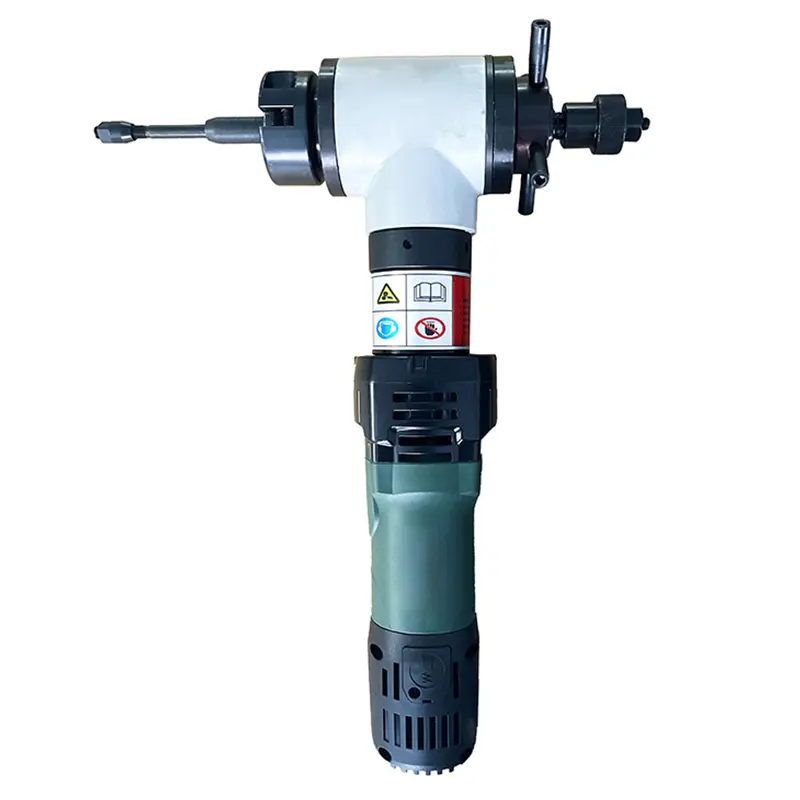
For WFI and product-contact tubing: Use our LPM Pipe Facing machines. Tube end squareness determines orbital weld quality.
-
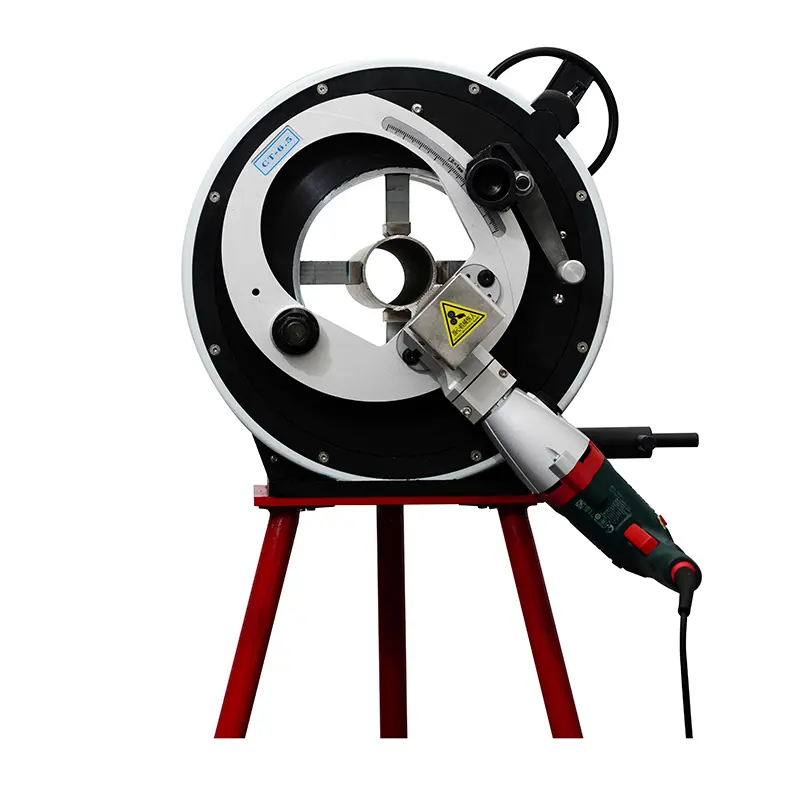
For larger process piping: The ISE T-Model handles sanitary stainless pipe prep for piping above tube sizes.
-
For utilities: Don’t over-spec. Match equipment to actual requirements.