Power Industry Standards
Our equipment supports compliance with power generation codes:
- ASME B31.1 – Power Piping
- ASME Section I – Power Boilers
- ASME Section III – Nuclear Components
- EN 13480 – Metallic Industrial Piping
- NACE MR0175 – Materials for Sour Service
Chrome-Moly Considerations
High-temperature power plant materials require special attention:
Material Selection:
| Grade | Service Temp | Key Requirements |
|---|---|---|
| P11 | 540°C | Controlled heat input |
| P22 | 580°C | Preheat required |
| P91 | 620°C | Strict interpass control |
| P92 | 625°C | PWHT essential |
Cold cutting eliminates the heat-affected zone concerns that can compromise these sensitive alloys.
Outage Support
We understand the critical nature of plant maintenance schedules:
- 24/7 Technical Support during scheduled outages
- Rental Equipment available for peak demand periods
- On-Site Training to prepare your team before outage work
- Emergency Spare Parts program for critical components
A Candid Assessment for Power Industry Buyers
The Boiler Tube Reality
We get a lot of inquiries about boiler tube beveling. Here’s the honest truth:
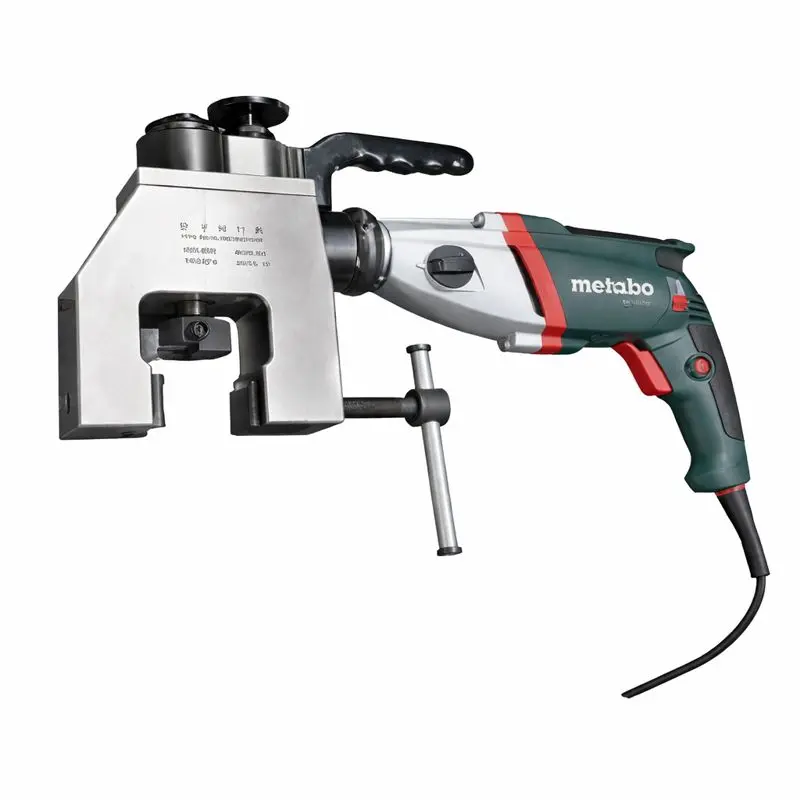
For waterwall tubes (typically 50-75mm OD), our portable ID-mount machines work well. But many plants still use specialized boiler tube equipment or orbital prep machines designed specifically for this application. If you’re doing 500+ tube ends per outage, look at dedicated tube prep systems—they’re faster for high-volume repetitive work.
For superheater tubes in exotic alloys, cold cutting matters more. P91 and P92 are sensitive to thermal history. This is where our equipment provides genuine value over grinders or torches.
When Machining Is Overkill
We’ve seen power plants spec precision beveling equipment for large-diameter cooling water piping (carbon steel, low pressure). For 24” carbon steel cooling water at 50 psi, honestly, a well-executed torch cut with grinding can work fine. Save the precision equipment for where it matters: main steam, feedwater, and alloy piping.
Nuclear Work: What We Actually Provide
We can supply equipment with full material traceability and quality documentation. However:
What we don’t do: We’re not an ASME N-stamp holder. Our equipment is used by contractors who hold the nuclear certifications. If your quality program requires the equipment supplier to hold nuclear certification, we can work through certified partners.
What we do well: Consistent, repeatable results with complete documentation. The machine doesn’t care if it’s nuclear or fossil—what matters is your QA/QC program around it.
The Outage Crunch
Every power plant outage puts equipment through a stress test. Some observations:
Rental vs. ownership: If you only do major outage work every 2-3 years, renting may make more sense than owning. We offer rental, and frankly, it’s sometimes the right choice.
Operator training matters more than equipment cost: We’ve seen expensive equipment produce bad results because operators weren’t properly trained, and we’ve seen basic equipment produce excellent results in skilled hands. Budget for training, not just hardware.
Have backup tooling: When you’re on day 12 of a 14-day outage and the cutter goes dull, you don’t want to be waiting for overnight delivery. Stock spare tools.
Our Recommendations for Power Plants
-
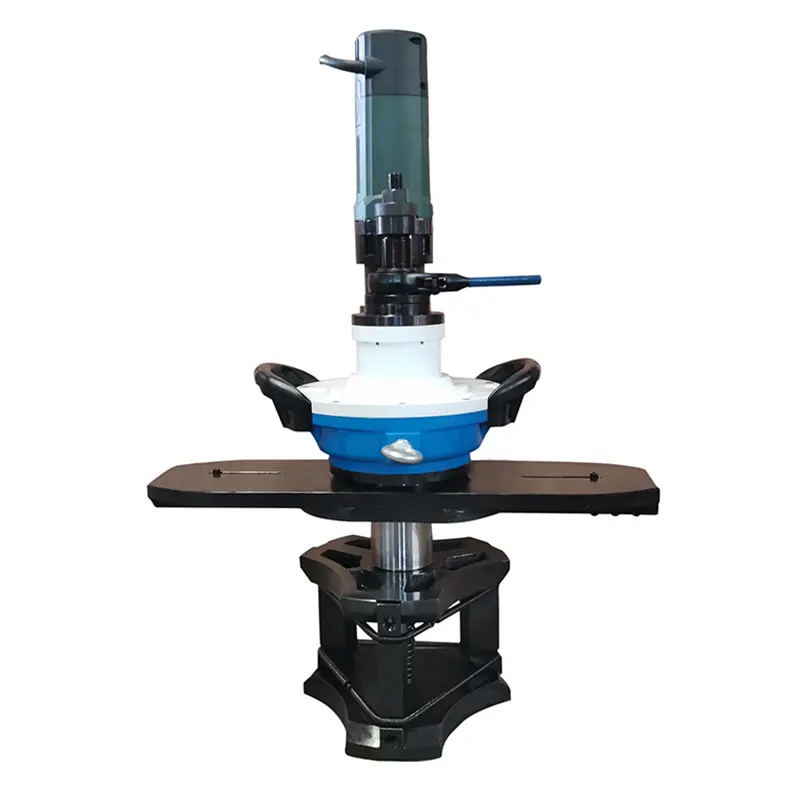
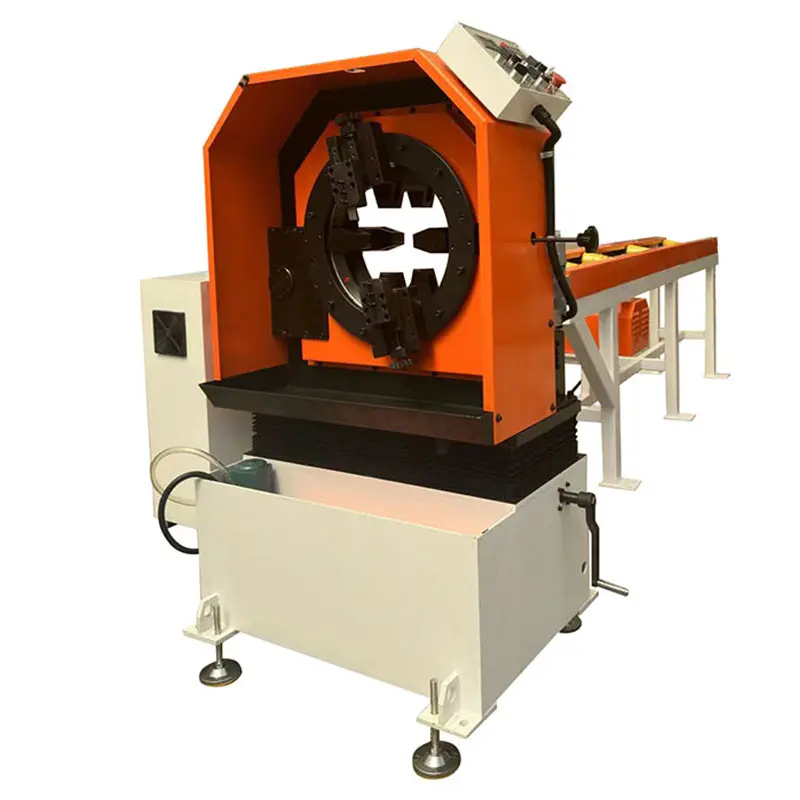
For main steam and feedwater (chrome-moly): Invest in proper cold cutting. The Split Frame series handles the large diameters and heavy walls. Worth it for these critical systems.
-
For boiler tube work: Evaluate your volume. Low-to-moderate volume, our ISE T-Model works well. High-volume (500+ per outage), consider dedicated tube prep equipment.
-
For balance-of-plant piping: Match the equipment to the requirement. Not everything needs precision machining.