Semiconductor Industry Standards
Our equipment supports semiconductor fabrication requirements:
- SEMI Standards – Equipment and Materials Specifications
- SEMI F81 – Gas and Chemical Delivery Systems
- ASME BPE – Bioprocessing Equipment (adapted for semiconductor)
- ISO 14644 – Cleanroom Standards
- ITRS – Technology Roadmap Requirements
Surface Quality Requirements
Semiconductor gas systems demand exceptional surface quality:
| Parameter | UHP Requirement | Our Capability |
|---|---|---|
| Surface Finish | <10 Ra | Achievable |
| Particles | None visible 10X | Particle-free |
| Moisture | <1 ppb system | Clean dry |
| Oxygen | <1 ppb system | No oxidation |
High-Purity Materials
Semiconductor applications use specialized materials:
- 316L VIM-VAR – Vacuum induction/arc remelted stainless
- Hastelloy C-22 – Corrosive chemical resistance
- PFA/PTFE – Fluoropolymer-lined systems
- Electropolished – Pre-finished tube and fittings
Our equipment handles these materials without compromising their high-purity properties.
Cleanroom Considerations
For cleanroom-adjacent work:
- HEPA-filtered machine enclosures available
- Non-shedding surface finishes
- Cleanable external surfaces
- Minimal particle generation during operation
Honest Talk About Semiconductor Applications
What We Can and Cannot Promise
Let’s be clear about the reality of ultra-high purity work:
We prepare tube ends for welding. We do this cleanly and consistently. But tube prep is one step in a system that involves handling, assembly, welding, cleaning, and passivation. If contamination enters anywhere in that chain, the result is still a contaminated system.
Our machines don’t make a “10 Ra surface” directly on every cut. We produce clean, consistent cuts that, when combined with proper welding technique and post-weld electropolish, result in systems meeting UHP specifications. If you need sub-10 Ra on the cut surface itself before any post-processing, you may need additional polishing steps.
The Semiconductor Purity Chain
Every semiconductor gas line contractor knows this, but it’s worth stating: tube prep is one link in a long chain.
What we control: Clean, dimensionally accurate, particle-free tube ends ready for orbital welding.
What we don’t control: Everything else—handling, fitting installation, welding, purge maintenance, system cleaning, passivation, qualification testing.
If you have purity failures, don’t automatically blame the prep equipment. Look at the whole process.
When Pre-Cut Tube Makes Sense
For many semiconductor projects, the tube supplier can provide:
- Cut to length
- Ends faced and deburred
- Pre-cleaned and bagged
- Certification included
Our honest advice: If your supplier offers this, and the cost is reasonable, consider using it for small-diameter UHP tubing. Our equipment makes more sense when you:
- Need on-site flexibility to cut to length
- Have volume that justifies in-house capability
- Work with larger sizes the supplier doesn’t prep
The Exhaust System Reality
Not everything in a fab is ultra-high purity. Exhaust, abatement, and waste systems are often 316L but not UHP spec.
Don’t over-spec exhaust prep. Yes, it’s stainless, and yes, welds should be clean. But you don’t need the same prep you’d use for silane delivery. Match the equipment and procedures to the actual requirements.
Our Recommendations for Semiconductor Work
-
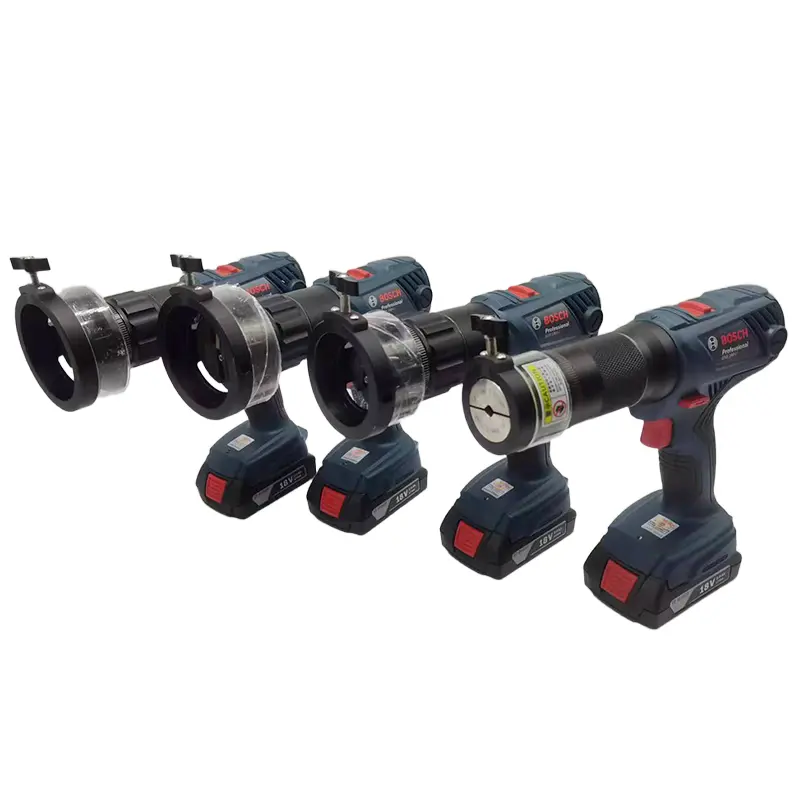
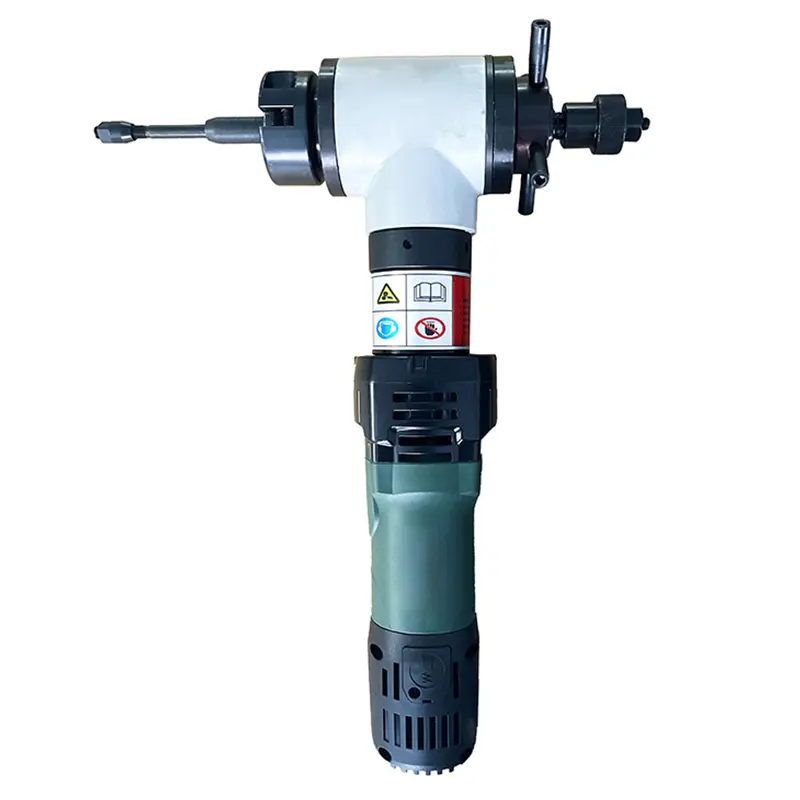
For UHP gas lines: Our LPM Tube Facing machines provide the consistent squareness orbital welders need. Focus on faced ends, not just cut ends.
-
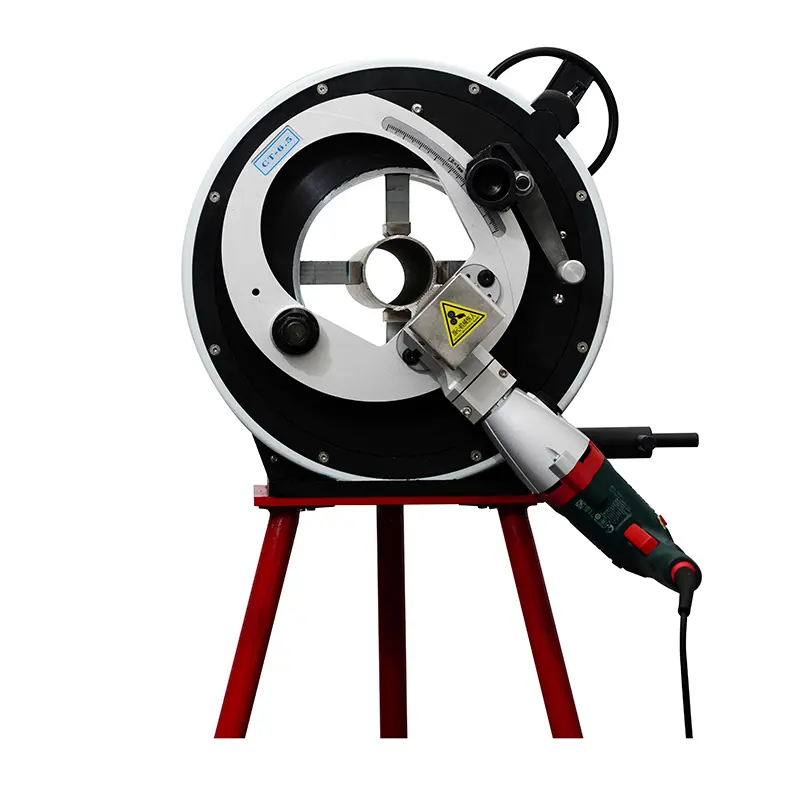
For bulk chemical and exhaust: Standard stainless prep with our ID-mount machines works well. These systems need good welds, not necessarily UHP-level prep.
-
For small-diameter UHP (<1”): Honestly, evaluate pre-cut and prepped tube from your supplier. It may be more economical than in-house prep for small tube.