Shipbuilding Industry Solutions

Marine Piping Systems & Offshore Vessel Construction

Equipment Recommendation
Process Guidance
Training & Support

Industry Overview

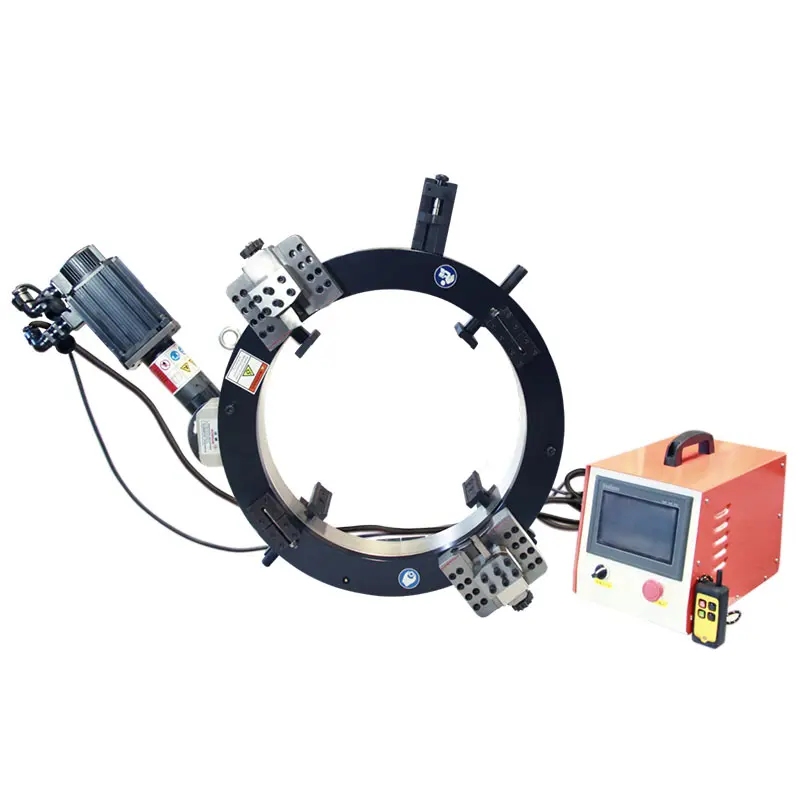
Shipbuilding demands exceptional precision in pipe preparation for complex piping systems that must operate reliably in challenging marine environments. From naval vessels to commercial ships and offshore platforms, Kedes beveling machines deliver the quality required for classification society approvals and maritime standards compliance.

Classification Society Standards

Our equipment supports compliance with major maritime classification requirements:

  • Lloyd’s Register – Rules for Ships
  • DNV GL – Rules for Classification of Ships
  • ABS – Rules for Building and Classing Steel Vessels
  • Bureau Veritas – Rules for Steel Ships
  • RINA – Rules for Classification of Ships

Shipyard Efficiency

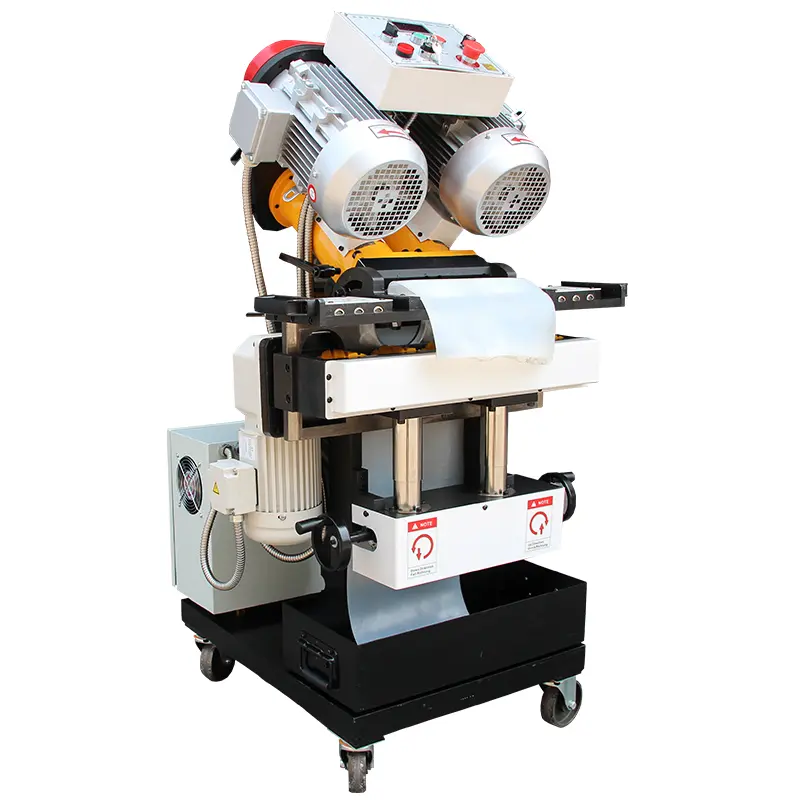
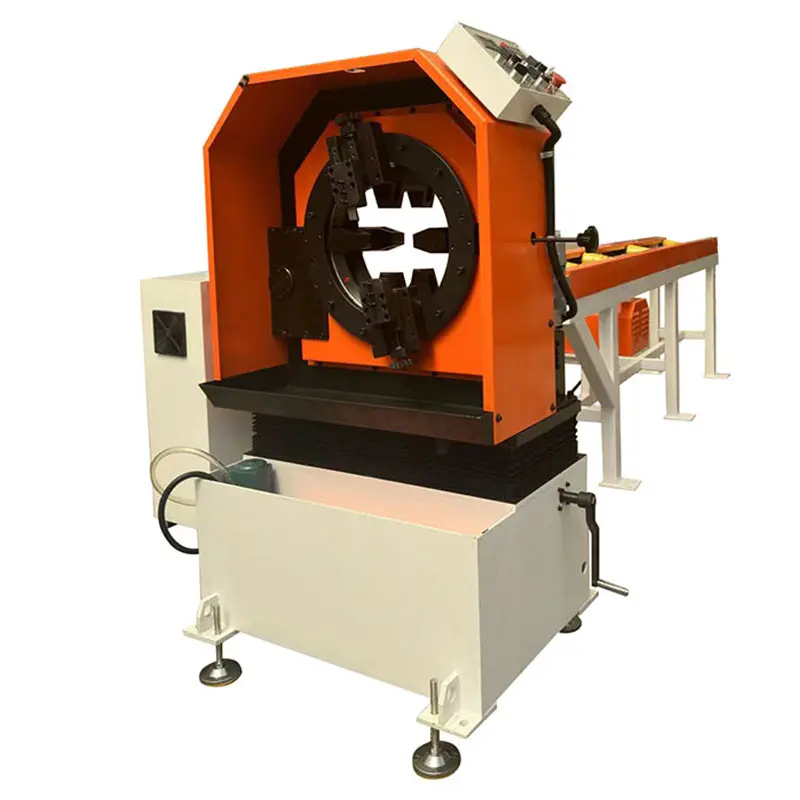
Modern shipbuilding emphasizes modular construction where pipe spools are prefabricated in workshops then installed as complete assemblies. Our stationary machines optimize this process:

Workshop Prefabrication Benefits:

  • Controlled environment for consistent quality
  • Higher productivity with optimized equipment setup
  • Easier inspection and documentation
  • Reduced on-board hot work

Marine Materials

Kedes machines handle the full range of shipbuilding materials:

MaterialApplicationSpecial Considerations
Carbon SteelHull piping, ballastStandard beveling
Stainless 316LSeawater systemsLow heat input
Copper-NickelSeawater coolingPrevent work hardening
Aluminum 5083Lightweight structuresBurr-free cutting
Duplex SSChemical tankersPhase balance

What Shipyards Should Actually Know

The Space Problem Is Real

We’ve visited enough engine rooms and tank compartments to know this: the “compact portable machine” in our catalog might still be too big for where you need to work.

Before you buy, measure your actual access. Not the nice open areas—measure the tight spots where most of your on-board work happens. Some of our competitors claim portability for machines that realistically need 300mm clearance around the pipe. Our smallest ID-mount machines need about 150mm axial clearance behind the pipe face. If you don’t have that, you’re back to hand grinding.

Workshop vs. On-Board: Pick Your Battle

Most shipyards we work with have moved to maximum prefabrication in workshops. This is the right approach. Here’s why:

Workshop (do this):

  • You control the environment
  • Equipment is optimized and operators are practiced
  • Inspection is easy
  • Classification surveyors can witness procedures

On-board (minimize this):

  • Confined spaces make everything harder
  • Fire watch requirements slow you down
  • Quality suffers under difficult conditions

Our recommendation: invest in good workshop equipment for spool fabrication. For unavoidable on-board work, simpler tools often work better than hauling full-size machines into compartments.

When Our Equipment Isn’t the Answer

Very small diameter copper-nickel (< 1 inch): For small-diameter Cu-Ni seawater lines, many yards use tube cutters and hand deburring. It works. Our machines are overkill for this.

Aluminum structural work: For aluminum ship structures (high-speed craft, superstructures), most beveling is on plate, not pipe. Look at our plate beveling machines instead.

Emergency repairs at sea: If you’re doing hot work at sea, you’re probably using what’s available. Our equipment is great for planned work, not for the repair kit.

Classification Reality Check

The classification societies care about weld quality, not which brand of beveler you use. We provide documentation, but let’s be honest: the surveyor is looking at your welder qualification and your NDT results, not your beveling equipment brand.

What does matter: consistent bevel geometry that matches your WPS. If your WPS says 37.5° and your bevels are all over the place, you’ll have problems.

Our Honest Recommendations for Shipyards

  1. For new-build pipe shops: A DCM Stationary machine is the right investment. One machine can prep most of a vessel’s pipe spools.

  2. For repair and conversion yards: You need flexibility. Consider the ISE T-Model range for variable diameter work.

  3. For on-board work: Be realistic. If spaces are tight, sometimes the best solution is a well-trained fitter with good hand tools. We won’t oversell you equipment that won’t fit.
Industry Challenges

01

Complex Piping Systems

Ships contain miles of piping for ballast, fuel, hydraulics, HVAC, and fire suppression. Each system has unique requirements for materials, wall thickness, and weld specifications.

02

Classification Requirements

Lloyd's, DNV, ABS, and other classification societies mandate strict quality standards. Weld preparation must meet precise specifications for surveyor approval.

03

Space Constraints

Ship compartments limit equipment access. Pipe preparation often occurs in confined spaces where traditional workshop equipment cannot operate.

04

Material Diversity

Marine applications use carbon steel, stainless steel, copper-nickel, and aluminum alloys. Each material requires specific cutting parameters.

Our Solutions

Compact Portable Machines

Our portable beveling machines are designed for confined space operation, allowing quality pipe preparation in engine rooms, tanks, and tight compartments.

Multi-Material Capability

Configurable tooling handles the full range of shipbuilding materials from mild steel to exotic alloys, with optimized parameters for each.

Classification Documentation

We provide material certificates and quality documentation to support classification society inspections and approvals.

Workshop Production Systems

Stationary machines enable high-volume pipe spool fabrication in shipyard workshops, reducing on-board assembly time.

Common Questions

What's the typical turnaround for pipe prep in shipbuilding field conditions?

Honestly, it depends on the pipe size and site constraints. For most field jobs we see, a trained operator can prep a 12" pipe in about 15-20 minutes including setup. Tighter spaces add time. The key is having the right mounting method for your situation—ID mount works great when you have access, but OD clamp systems save time when you don't.

Do we really need cold cutting for this application, or is flame cutting acceptable?

This comes up a lot. For carbon steel in non-critical applications, flame cutting can work—but you'll need additional grinding to remove the heat-affected zone before welding. Cold cutting eliminates that step entirely. For stainless, duplex, or anything going into ASME code work, cold cutting isn't optional. The metallurgical benefits pay for themselves in reduced rework.

Our crew has never used portable beveling machines. How steep is the learning curve?

Most operators we train get comfortable within a day of hands-on practice. The machines aren't complicated—it's more about understanding proper clamping pressure and feed rates for your specific pipe material. We include training videos and can arrange remote support for your first few jobs if needed. The bigger adjustment is usually convincing old-timers to give up their grinders.

What should we look for when the machine isn't cutting cleanly?

Nine times out of ten, it's either a dull insert or incorrect clamping. Check that the machine is seated square to the pipe face and the clamping force is even. For chatter marks, reduce your feed rate. For rough finishes on stainless, make sure you're using the right insert grade—carbide designed for carbon steel will tear stainless. When in doubt, a fresh insert usually solves most issues.

Ready to Discuss Your Shipbuilding Project?

Our engineers specialize in pipe preparation solutions for the shipbuilding industry. Contact us for equipment recommendations tailored to your specific requirements.

Chat on WhatsApp

Request Price & Specs

Fill in the form below and our team will get back to you within 24 hours.

By submitting, you agree to our Privacy Policy.

Chat with us